Start with the layers
Turn a mailer over and list what it is made of. A typical envelope or bag might combine an outer face, an inner lining, a peel-and-seal strip with a release liner, a printed label, perhaps a window, and tape added during packing. Each component may belong to a different stream. A kraft paper envelope with a bubble film lining is a paper-and-plastic laminate; many paper mills cannot separate the two, so it is commonly excluded from kerbside paper collections.
Single-material mailers make the recipient's job simpler. An all-paper envelope with a paper-based lining, or a mono-material polyethylene bag, has a single destination, even if that destination differs from place to place.
Reading recycling labels carefully
On-pack labelling systems exist to reduce confusion. In the United Kingdom, the On-Pack Recycling Label (OPRL) scheme uses statements such as "Recycle" or "Do not recycle" based on what most local authorities collect. In the United States, How2Recycle labels indicate whether an item is widely accepted, has limited acceptance, or should go to store drop-off. The European Union's Packaging and Packaging Waste Regulation is moving towards harmonised labelling and recyclability requirements over the coming years.
These labels are useful, but they describe typical acceptance, not a guarantee for every address. The resin identification code — the number inside the chasing-arrows triangle — identifies a plastic type and does not by itself mean an item is collected. Encourage recipients to check their own council or municipality guidance.
Material decisions, one at a time
Material: all-paper mailers
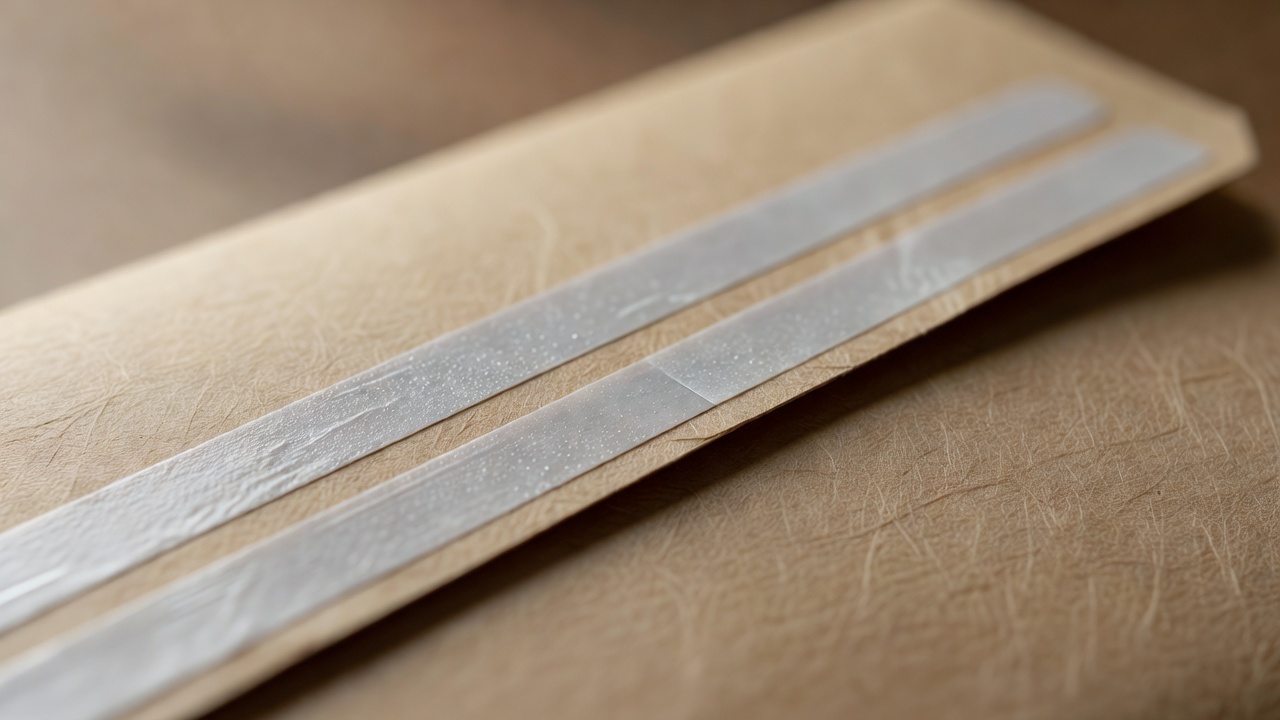
Generally suit paper collections when clean. Remove the silicone release liner from peel strips; it is usually not paper and should go in general waste. Rigid paperboard mailers protect flat items well without separate cushioning.
Material: paper-padded envelopes
Some use shredded or corrugated paper padding instead of bubble film. Manufacturers may state that they can be recycled with paper; check the specific product and local rules, since dense padding can be a problem at some facilities.
Material: plastic film mailers
Light and water-resistant. Film is often collected only at store drop-off points, if at all. Film fragments and torn strips are among the materials most likely to blow away, so containment is essential.
Material: compostable mailers
Certifications such as EN 13432 refer to industrial composting conditions. Home composting needs separate certification, and many areas do not accept compostable packaging in food or garden waste. Outdoors, a compostable mailer does not disappear quickly and can still be litter.
Material: durable reusable mailers
Made from heavier fabrics or plastics for dozens of trips. Their environmental case relies on high return rates, which in turn depends on easy, prepaid return systems.
When reuse actually works
A mailer with a second adhesive strip invites a return or onward trip, which suits clothing retailers who expect returns. Durable returnable mailers can make sense for subscription services, library-style rental and business-to-business loops. Studies of reusable packaging pilots, including work discussed by the Ellen MacArthur Foundation and WRAP in the UK, consistently point to the same factor: the system only pays off if the packaging comes back. A reusable mailer that is thrown away after one use has a heavier footprint than a simple single-use one.
If you offer reuse, make it obvious. Print return instructions on the mailer itself, keep the closure robust, and avoid stickers that leave residue. Tell recipients what to do if they cannot return it.
Protection still comes first
A damaged item usually means a replacement shipment, doubling the packaging and transport. Choose the lightest mailer that protects the goods through realistic handling. Flat, non-fragile items travel well in rigid paperboard mailers; fragile items need a box with bracing. A slightly heavier package that arrives intact is a better outcome than a lighter one that has to be sent twice.
Questions to ask suppliers
- What are all the layers and adhesives made of?
- Which on-pack label applies, and in which countries?
- Is recycled content independently verified?
- For compostable products, which certification and which composting conditions?
- For reusable products, what return rate do existing customers achieve?
Continue with Dispose With Wildlife in Mind to see how the recipient's handling shapes the outcome.