Damage is the biggest waste
When a parcel arrives broken, everything is lost at once: the product, the original packaging and the transport. A replacement means another round of all three. That is why waste reduction starts with protection. The goal is the least material that reliably gets the item there undamaged, not the least material possible.
Right-size the outer packaging
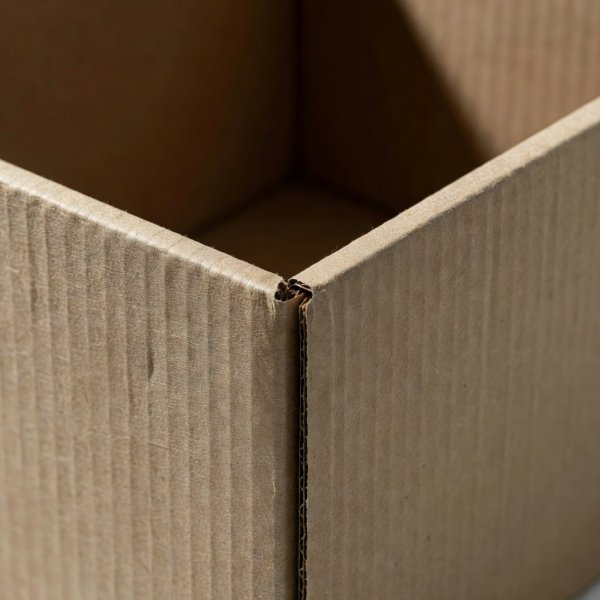
Oversized boxes need more void fill, take up more space in vans and are more likely to be crushed because empty space offers no support. Keep a small range of box sizes that match your common products, and consider boxes that can be cut down along pre-scored lines. For flat goods, rigid paperboard mailers often replace a box and fill entirely. Measure products with any wrap included, then allow a margin for cushioning only where the item is fragile.
Brace instead of piling fill
Loose fill works by occupying space; bracing works by holding the item in place. Folded corrugated inserts, corner protectors and moulded pulp trays immobilise goods so they cannot strike the box walls. Bracing usually uses less material, creates fewer loose pieces for the recipient to handle, and travels with the box into the cardboard stream.
Test before you trim
Large shippers use standard protocols — ISTA procedures and ASTM D4169 are common — to simulate drops, vibration and compression. Small senders can borrow the logic:
- Pack a sample exactly as you would ship it.
- Shake it firmly. If you hear or feel movement, add bracing.
- Drop it on each face, edge and corner from a moderate height onto a hard floor.
- Open it and inspect the item and packaging for scuffs or crushing.
- Remove one element at a time and repeat, stopping before damage appears.
Keep notes. A record of what worked stops packing from drifting back towards "just add more."
Closures and labels
Use enough tape to seal seams securely, typically an H-pattern on boxes, and no more. Paper tape, especially reinforced water-activated tape, bonds well to corrugated board and can often stay on for recycling, though acceptance varies. Print labels directly on the box or use paper labels where your carrier allows. Avoid plastic document wallets if the carrier offers alternatives.
Leave out what does nothing
Decorative ribbon, plastic stickers, glitter, loose confetti, extra flyers and outer plastic bags around boxes add waste without adding protection. Several of these — ribbon in particular — create the long strands most associated with entanglement if they escape. A neatly printed note can carry your brand without any of them.
Build reuse into the routine
Sort incoming boxes and clean paper fill as they arrive. Keep sound boxes flat and dry, and discard any that are damp, crushed or weakened at the corners.
When reusing a box, remove or fully cover all previous labels and barcodes. Check that flaps still close firmly. Reuse paper fill for gaps but not as the only protection for fragile goods.
For repeat customers, durable returnable mailers or crates can work if returns are prepaid and simple. Track how many come back; a low return rate means the system is not yet saving material.
Measure in qualitative steps
You do not need complex software. Note how many box sizes you stock, how much void fill you buy each month, and how many damage reports you receive. Changes in those three figures tell you whether reductions are working or pushing problems onto your customers. Organisations such as WRAP publish guidance for businesses on packaging reduction, and the EU's packaging regulation includes rules on empty space in e-commerce packaging that are worth following if you ship into Europe.
Go back to Choose Paper Cushioning Wisely or Assess the Whole Mailer to apply these ideas to individual materials.