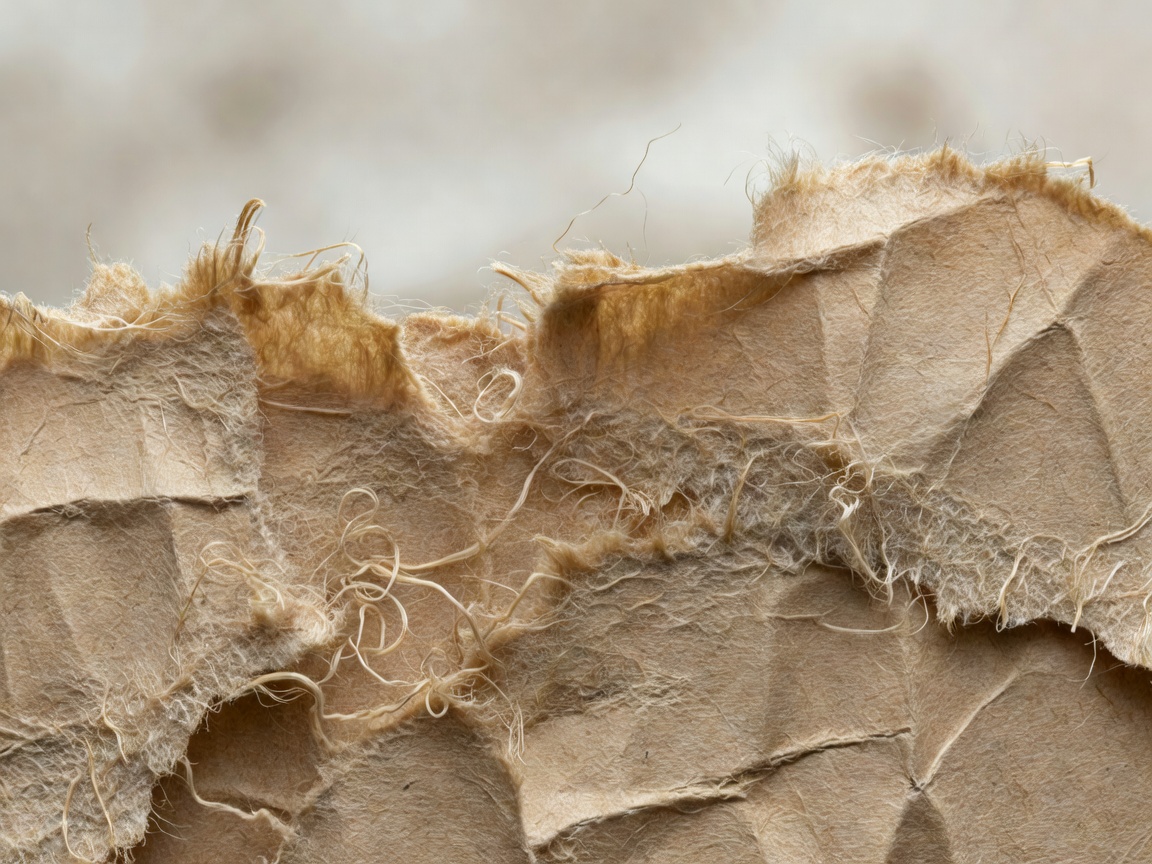
What paper cushioning is asked to do
Cushioning has three jobs in a parcel: fill empty space so the item cannot move, absorb shocks when the box is dropped, and keep surfaces from rubbing against each other. Different paper formats do these jobs to different degrees. Crumpled kraft sheets are excellent at blocking and bracing but have limited shock absorption for heavy or fragile goods. Expanded honeycomb paper wraps around an item and spreads impact. Moulded pulp and folded corrugated inserts hold an object in a fixed position so less loose fill is needed at all.
Before choosing, think about the item rather than the habit. A paperback book in a snug mailer may need no cushioning. A ceramic mug needs wrapping, bracing and space from the box walls. Carrier testing approaches such as the ISTA procedures used by many shippers simulate drops, vibration and compression; you do not need a laboratory to borrow the idea. Pack a sample, shake it, and drop it from a modest height onto a hard floor. If anything shifts, add bracing rather than piling in more loose fill.
Common paper formats compared
| Format | Best at | After opening |
|---|---|---|
| Crumpled kraft sheets | Void fill, bracing light goods | Smooths flat; usually suits paper recycling when clean and dry |
| Honeycomb (expanded slit) paper | Wrapping, replacing bubble film for many items | Stays in long strips; check for added tissue or adhesive |
| Shredded paper | Filling irregular gaps | Many small pieces; escapes easily and some councils exclude it |
| Moulded pulp | Holding shaped products | Often accepted with card; local rules vary |
| Corrugated inserts | Fixing items in place | Travels with the box into the cardboard stream |
Why the size of the pieces matters
From a wildlife perspective, the shape of waste after opening matters as much as the material. Large sheets are easy to fold back into a box and unlikely to drift far. Shredded paper and confetti-style fill create dozens of small pieces that scatter in wind, cling to wet surfaces and are tedious to collect. Paper fragments are generally less concerning than plastic film or netting because they soften and break down, but they still become litter, can clog drains and may be picked up by animals. We are not aware of evidence that would justify calling any fill "bird-safe" in general terms, so we favour formats that stay in large, collectable pieces.
Fibre sources and labels
Labels from schemes such as FSC (Forest Stewardship Council) and PEFC (Programme for the Endorsement of Forest Certification) speak to how the fibre was sourced, not to how the finished cushioning behaves in a bin or outdoors. Recycled-content claims describe what went into the paper. Both are useful when comparing suppliers, but neither replaces a disposal check. If a supplier states a percentage of recycled content, ask whether it is verified and whether coatings, dyes or adhesives have been added.
Coloured, glossy or wax-coated papers can be harder to recycle. Plain unbleached kraft is the simplest material for most paper streams. Tissue paper is often excluded because its fibres are too short; check your local guidance before advising recipients to recycle it.
Keeping it clean and dry
Wet or oily paper is commonly rejected at sorting facilities because contaminated fibre lowers the quality of the recycled pulp. If you pack food, cosmetics or anything that might leak, seal those items separately so the paper cushioning stays clean. A cleanly packed box gives the recipient a straightforward choice: flatten, fold the fill inside, and put it out on collection day.
Telling the recipient what to do
A short note on the packing slip removes guesswork: "Paper fill: please fold into the box and recycle with card where accepted locally, or keep for reuse." Avoid sweeping statements like "100% eco-friendly." They promise more than any sender can guarantee, and regulators including the UK Competition and Markets Authority, through its Green Claims Code, have warned against vague environmental wording. Specific, local-aware instructions are both more honest and more useful.
A practical selection routine
- Start with a box or mailer that fits the item closely.
- Use inserts or wrap to fix the item in place before adding any loose fill.
- Prefer large-format kraft over shredded paper for any remaining gaps.
- Seal anything that could leak so the paper stays recyclable.
- Add a one-line disposal note that mentions checking local rules.
Next, look at the outer packaging itself in Assess the Whole Mailer, or see how containment works after opening in Dispose With Wildlife in Mind.